
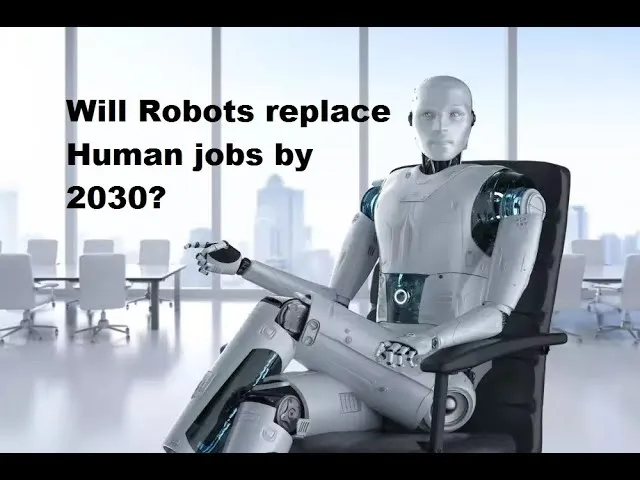
In the past decade, artificial intelligence has shifted from being a futuristic concept into a powerful tool used across industries. From financial institutions adopting machine learning for fraud detection to hospitals using AI-driven diagnostic tools, the technology is reshaping work as we know it. The rapid pace of adoption has triggered an essential debate: will AI eventually replace human workers? While some experts see automation as a threat to job security, others argue it will create entirely new categories of employment.
Reports from major https://malaka555.sg-host.com/ institutions show that AI could automate nearly 30% of routine tasks in developed economies by 2030. These tasks include data entry, customer support, and certain aspects of manufacturing. Yet, beyond the statistics, the real issue is not whether AI can do the work, but how societies adapt to these shifts in skill demand.
Jobs Most Vulnerable to Automation
Not all professions face the same level of risk. Roles involving repetitive, predictable tasks are most susceptible. For instance, warehouse operations, administrative duties, and telemarketing are already seeing significant disruption through automation. Large corporations have deployed AI-powered chatbots capable of handling thousands of customer inquiries simultaneously, reducing the need for large call center teams.
In transportation, the development of autonomous vehicles is beginning to challenge the future of driving professions. Truck drivers, delivery workers, and taxi operators may face shrinking opportunities if self-driving technology becomes widespread. However, these changes are not happening overnight. Regulations, infrastructure readiness, and public acceptance all play significant roles in delaying full-scale automation.
Interestingly, industries that rely heavily on creativity, emotional intelligence, and complex problem-solving—such as design, education, and healthcare—remain relatively resilient. AI can enhance productivity in these sectors, but it is far from replacing the human touch that patients, students, or clients value most.
New Opportunities Emerging from AI Growth
While automation may reduce the demand for certain jobs, it simultaneously creates fresh opportunities. The rise of AI has fueled demand for data scientists, AI trainers, ethicists, and software developers specializing in machine learning. Even roles that never existed a decade ago, such as “AI prompt engineer,” are now highly sought after in the job market.
Small businesses are also benefiting from AI-driven tools that help them compete with larger enterprises. Marketing campaigns, once requiring entire teams, can now be executed by entrepreneurs using AI-powered platforms for design, content creation, and customer insights. This shift democratizes access to advanced technology, opening new economic possibilities for freelancers, startups, and independent professionals.
Education is also adapting quickly. Universities and training platforms are rolling out specialized programs that teach professionals how to integrate AI into their careers. Workers who upskill in this direction are not only safeguarding their employability but also placing themselves at the forefront of future innovation.
The Human Advantage That AI Cannot Replicate
Despite the sophistication of artificial intelligence, there are qualities that remain uniquely human. Empathy, cultural awareness, and ethical reasoning are areas where machines struggle to compete. For example, AI can analyze patient data with remarkable accuracy, but the reassurance offered by a doctor in a stressful moment cannot be replaced by an algorithm. Similarly, while AI can generate music, art, or stories, audiences often crave the authenticity and emotional depth that come from human creativity.
Moreover, decision-making in uncertain, rapidly changing environments still requires human judgment. Business leaders, policymakers, and educators recognize that collaboration between humans and machines is more effective than outright replacement. Instead of viewing AI as a rival, many forward-thinking organizations treat it as a partner that enhances efficiency while freeing people to focus on strategic, creative, and interpersonal tasks.